- عن بعد/اونلاين
- طب بشري | Medicine طب أسنان | Dentistry
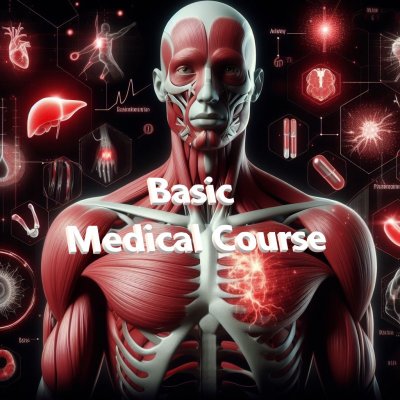
تُقدم هذه الخدمه إطارًا شاملاً لبناء الأساس العلمي والعملي في مجال الطب.
يتعرف الطلاب على موضوعات أساسية مثل التشريح، ووظائف الأعضاء، والكيمياء الحيوية، وعلم الأنسجة، مع مراعاة الربط الوثيق بين النظرية والتطبيق العملي
. كما تُدرج هذه الخدمه تدريبات مبكرة على المهارات السريرية والأساسيات الأخلاقية في الممارسة الطبية، مما يؤهل الطلاب لفهم عميق للجسم البشري وتطبيق المعرفة بفعالية في بيئة الرعاية الصحية
Foundations of Medical Sciences
Course Overview
This foundational course is the cornerstone of your medical education. It introduces the fundamental concepts underlying the structure and function of the human body. Designed to integrate anatomy, physiology, biochemistry, and histology with early exposure to clinical reasoning and professionalism, this course prepares you for the intricate journey of diagnosing and treating disease later in your career. With an emphasis on both memorization and deep understanding, you will explore the cellular building blocks of life, appreciate the harmonious working of bodily systems, and begin to grasp the ethical and communicative dimensions essential for our profession.
Course Objectives
By the end of the course, you will be able to:
-
Understand the Structural Foundations:
-
Comprehend the gross and microscopic anatomy of the human body.
-
Identify major organ systems and recognize their interrelationships.
-
-
Grasp Basic Functional Mechanisms:
-
Explain core physiological processes such as homeostasis, neuromuscular function, and cardiovascular dynamics.
-
Connect physiological phenomena with clinical scenarios.
-
-
Explore the Molecular World of Biochemistry:
-
Describe the structure, function, and synthesis of biological macromolecules.
-
Analyze metabolic pathways and appreciate the importance of enzyme regulation.
-
-
Interpret Histological and Cellular Processes:
-
Recognize the cellular architecture and tissue organization.
-
Utilize microscopy skills to identify normal histological patterns and appreciate variations that hint at pathology.
-
-
Initiate Professional and Ethical Practice:
-
Develop fundamental communication skills needed for patient interaction.
-
Reflect on the ethical challenges in medicine and establish a framework for professional behavior.
-
-
Link Basic Sciences to Clinical Practice:
-
Foster early clinical reasoning through case-based discussions.
-
Understand the language of medicine and the importance of continuous learning.
-
Course Modules and Syllabus Breakdown
Module 1: Medical Terminology and Scientific Foundations
-
Topics Covered:
-
Introduction to medical language, abbreviations, and symbols.
-
Overview of scientific research methods and evidence-based practice.
-
-
Learning Methods:
-
Interactive lectures, small group discussions, and terminology exercises.
-
Module 2: Human Anatomy
-
Topics Covered:
-
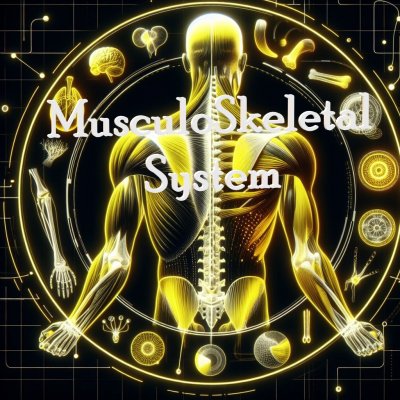
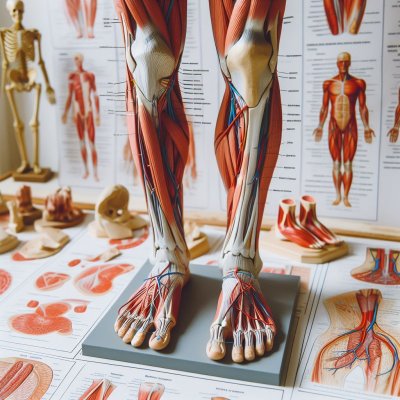
Gross Anatomy: Detailed exploration of the musculoskeletal, nervous, cardiovascular, respiratory, digestive, and urogenital systems.
-
Functional Anatomy: Integration of structure with function using cadaver dissections and virtual simulations.
-
-
Learning Methods:
-
Lab sessions with cadaveric or digital models, interactive 3D software, and peer teaching activities.
-
Module 3: Human Physiology
-
Topics Covered:
-
Basic principles of physiology including homeostasis, cellular physiology, and neurophysiology.
-
System-specific physiology: Cardiovascular, respiratory, renal, gastrointestinal, endocrine, and neuromuscular systems.
-
-
Learning Methods:
-
Lectures, simulation-based laboratory experiments, and case studies that link theory to clinical scenarios.
-
Module 4: Biochemistry and Molecular Biology
-
Topics Covered:
-
Chemical foundations of life: structure and function of proteins, carbohydrates, lipids, and nucleic acids.
-
Introduction to metabolism: pathways including glycolysis, the citric acid cycle, and oxidative phosphorylation.
-
Regulation and signal transduction pathways.
-
-
Learning Methods:
-
Problem-solving sessions, interactive pathway mapping, and hands-on laboratory demonstrations.
-
Module 5: Histology and Cellular Fundamentals
-
Topics Covered:
-
Microscopic anatomy: cell structure, tissue types (epithelial, connective, muscle, and nervous tissue).
-
Laboratory skills: microscopy techniques, slide interpretation, and staining methods.
-
-
Learning Methods:
-
Laboratory practicals, guided microscopic analysis sessions, and group peer presentations.
-
Module 6: Introduction to Clinical Skills and Medical Ethics
-
Topics Covered:
-
Basics of patient history-taking, physical examination techniques, and communication skills.
-
Core principles of medical ethics, cultural sensitivity, and professionalism tailored to the local context in Juwait.
-
-
Learning Methods:
-
Role-playing exercises, standardized patient encounters, seminars on ethics, and reflective writing assignments.
-